Leaderboard
Popular Content
Showing content with the highest reputation on 10/17/2026 in all areas
-

3 word devotional
phkrause reacted to Rahab for a topic
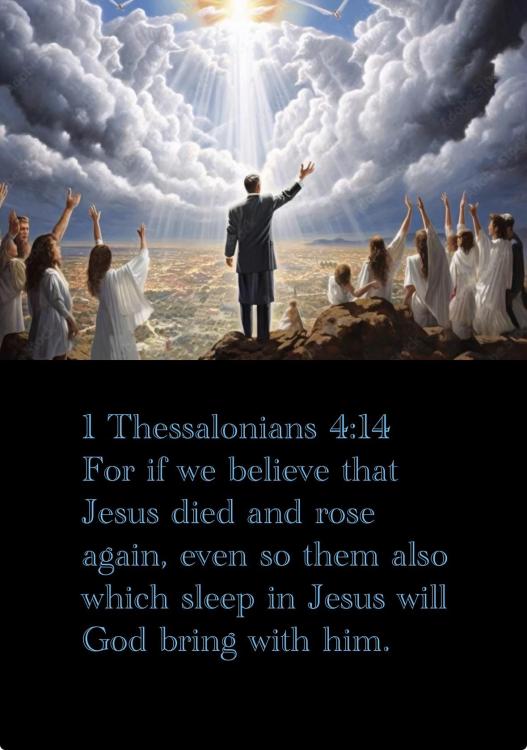 1 point
-

One Voice 27
phkrause reacted to Asia Joe for a topic
One Voice 27 is in full swing in Asia. We have meetings going on now in our district. Over 100 attending nightly. Every church (9) in the district involved.1 point -
3 word devotional
phkrause reacted to Rahab for a topic
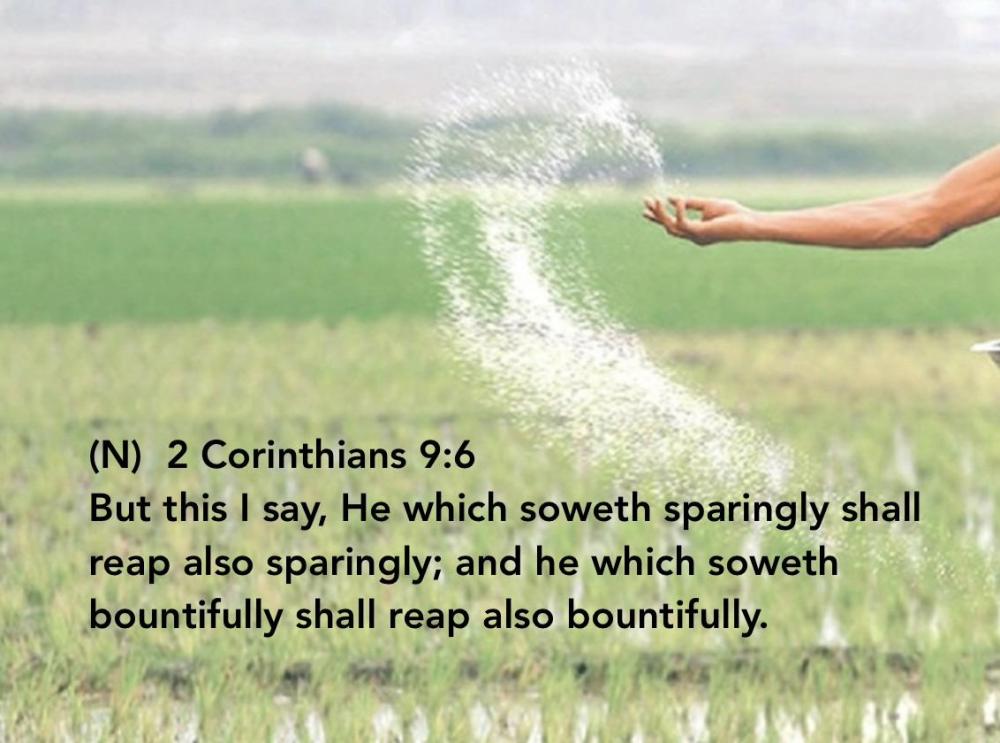 1 point
-
3 word devotional
phkrause reacted to Rahab for a topic
 1 point
-
3 word devotional
phkrause reacted to Rahab for a topic
 1 point
-

California AB 1803: What Churches and Ministries Need to Know About the New ‘Anti-Hate Speech’ Training Mandate + Edition
phkrause reacted to Stan for a topic
On September 27, 2026, California enacted Assembly Bill 1803, expanding the state’s mandatory workplace harassment training requirements to include practical guidance on identifying, reporting, and confronting workplace hate speech. The post California AB 1803: What Churches and Ministries Need to Know About the New ‘Anti-Hate Speech’ Training Mandate <label class="rltv-edition-check-wrap" onclick="event.stopPropagation();" title="Add to 5-Story Mini-Newspaper"><input type="checkbox" class="rltv-story-checkbox" data-id="170511542" data-title="California AB 1803: What Churches and Ministries Need to Know About the New ‘Anti-Hate Speech’ Training Mandate" /><span>+ Edition</span></label> appeared first on ReligiousLiberty.TV. View the full article1 point -

The authority of Ellen White...
phkrause reacted to Kevin H for a topic
She was in her day starting to meet this and was fighting this. She had different issues she had to deal with and put forth different amounts of effort on what was pressing at the time. The last issues was a tie about things that were starting to grow out of the first world war, and the proper use of her writings. This was her last great battle. She fought this battle as she was old and frail. Sadly, this is a battle she lost. Stephen Haskell was a very close friend of hers, so close that when they were both widowed that he proposed to her. Yet, they had one big, on going argument; how prophecy works. He had a much more fundamentalist view and insisted that Mrs. White's experience fit the view of the Fundamentalists. She held a much more liberal view of inspiration and what visions did and DID NOT do for her. Both were frustrated that they could not convince the other to their understanding, but remained close friends. After she died, he continued the same argument with Willie, where Willie gave the same ideas as his mother, but Haskell was far less cordial to Willie than he was to Mrs. White. I see the wisdom for her turning down his proposal (and finding another woman for him.) Marriage can change attitudes, especially with the role of men in the 1800s. Would he have remained cordial with their different views of inspiration? Could their differences on how inspiration worked ripped the church apart? There were less friendly correspondence between the Whites and the pastors who's thought developed into what is called "Historic Adventism." Among their followers (I did not find this in their writings directly) there were people saying that Mrs. White no longer believed that she was a prophet. No, she did not give up believing that she was a prophet, she just had a different view of what a prophet was than what they insisted a prophet should be. Sadly, I'm not sure how "shocked" she would be since she really had to face these issues, but she would be greatly disappointed that she lost the battle.1 point -
The authority of Ellen White...
phkrause reacted to Kevin H for a topic
This is the point!!!!!!! Can God, even as a weakened creature, the the weakest point possible, facing true temptations, choose not sin. If he can, then it would prove that God is who God claims to be. If this did not happen, then it would mean that God wouldn't be God. The entire universe would be thrown into chaos. Creatures needed to know whether God really is God, or just some sort of higher evolved creature of the same essence as we are. If God is God, is God all that He claims to be, especially in relation to his law of self sacrificing love/self renouncing love; and in the question in how he will treat sinners with the apparent contradiction of being both just and merciful. If he's just, sin needs to meet it's results. That would kill all sinners and that would not be merciful. For God to be merciful, he needs to be able to forgive and if he's forgiving and merciful then doesn't this go against his claim to be just. Gustave, what is say is what indeed the `issue is and why Jesus had to have the free choice to truly face temptation and the sin issue with the real risk of failure answers the question: is God truly God? If Jesus failed, then God wouldn't be God.1 point